
TraderZeex / Products & sourcing
Equipment
Workshop, handling and fluid-equipment enquiries with operating duty, utilities and site requirements in view.
Illustrative imagery. No company-owned facility, stock or personnel is represented.

Equipment enquiries cover workshop, material handling and fluid-handling requirements. Describe the task, duty and site constraints before comparing possible configurations.
Understand the application
Put the operating task
into the search.
Useful equipment sourcing begins with the operating task. Capacity, duty, footprint, power and connections can each narrow the options. The same general equipment type may include products intended for very different workloads.
For a replacement, provide the nameplate and model reference. For a new requirement, describe the expected output, operating pattern and site limitations. Include any specified technical or acceptance documents, and identify the party responsible for technical approval.
A familiar equipment name can describe products with different duty, capacity and installation requirements. Connect the search to the work the equipment must do.
Explore this product area
Choose the requirement
you want to make clearer.
 01
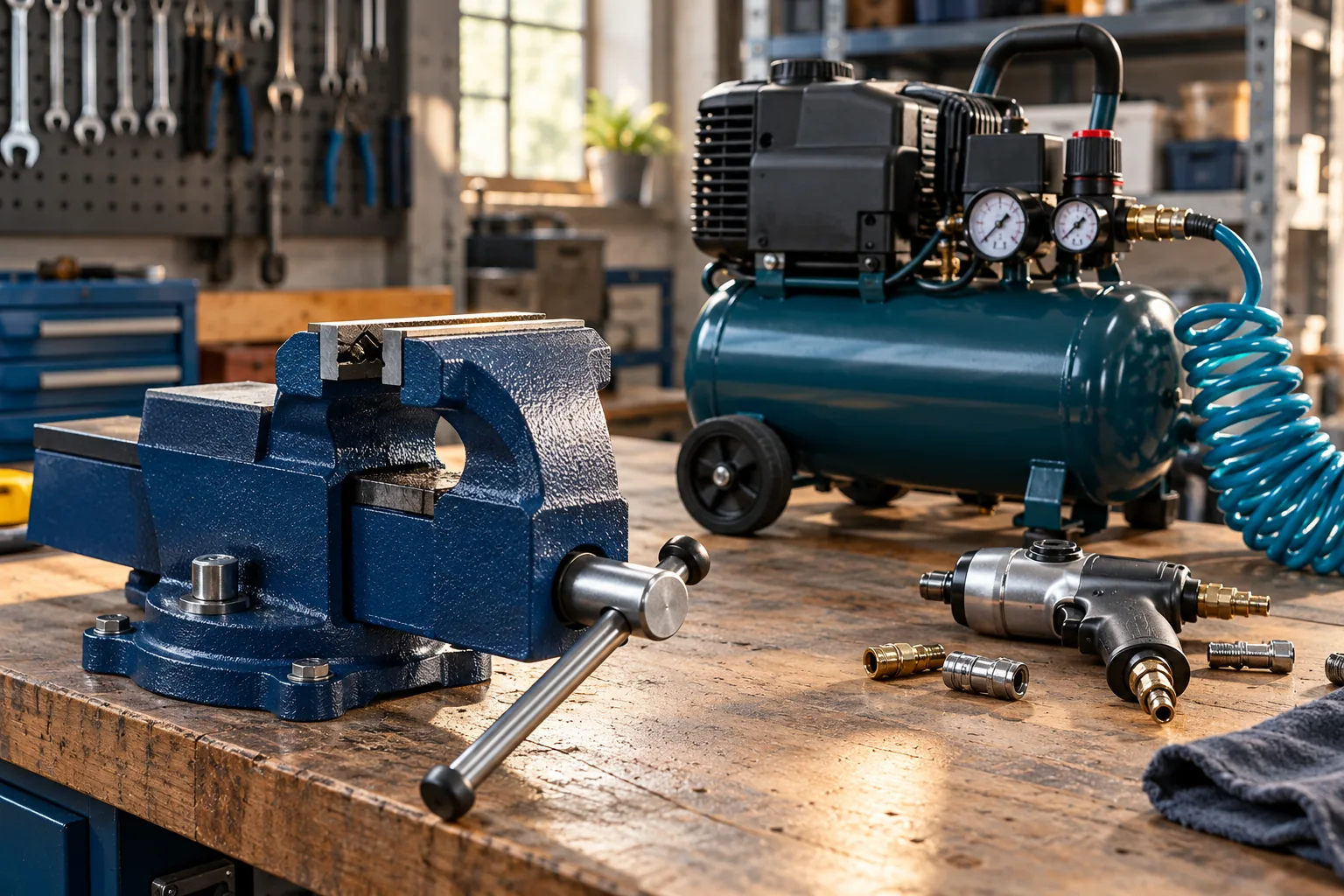
Workshop & Maintenance Equipment
Workshop equipment should be described around its task, expected duty and available utilities.
Explore this page ↗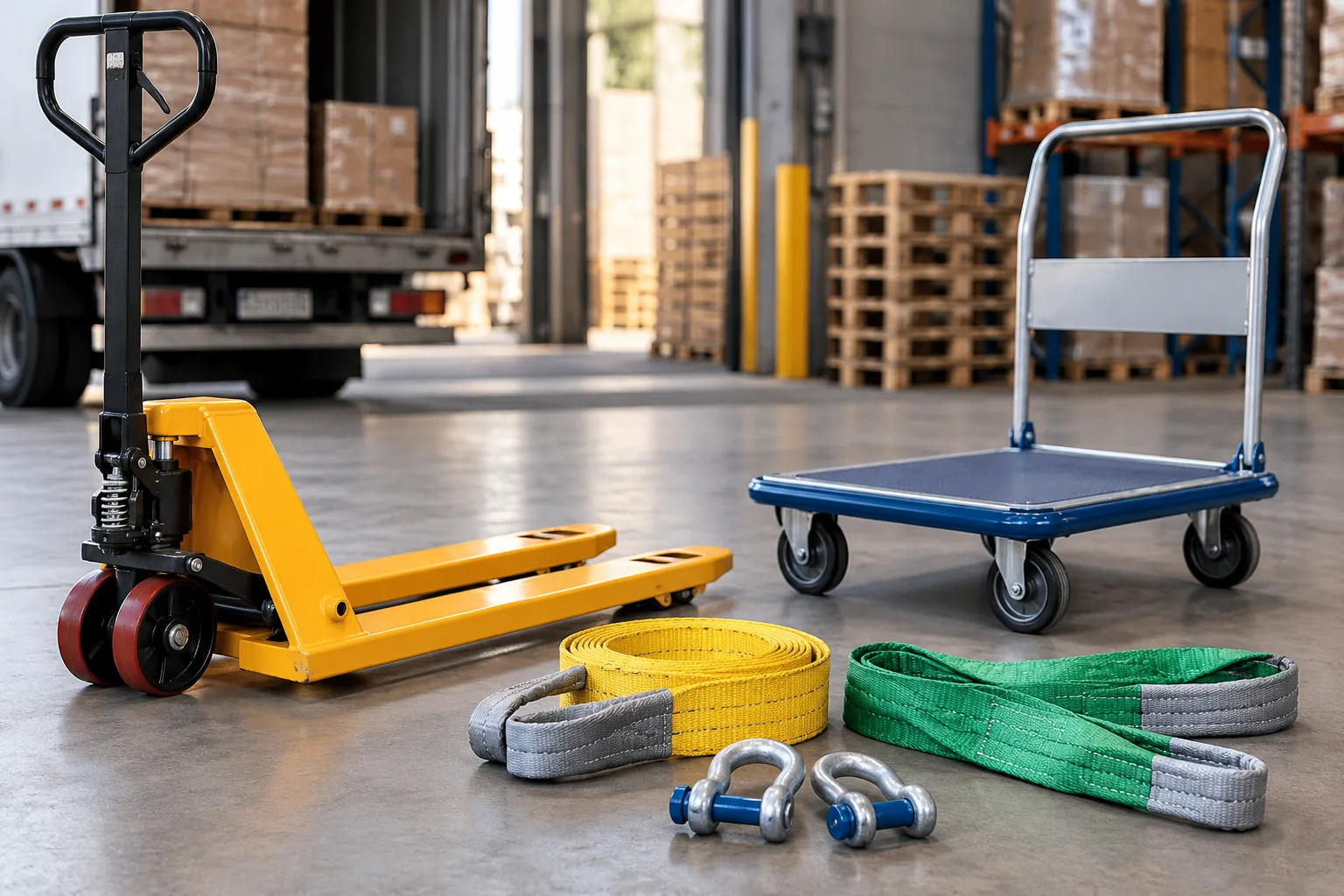 02
Material Handling Equipment
A trolley, pallet-handling product or lifting accessory needs a clear account of what will be moved and how.
Explore this page ↗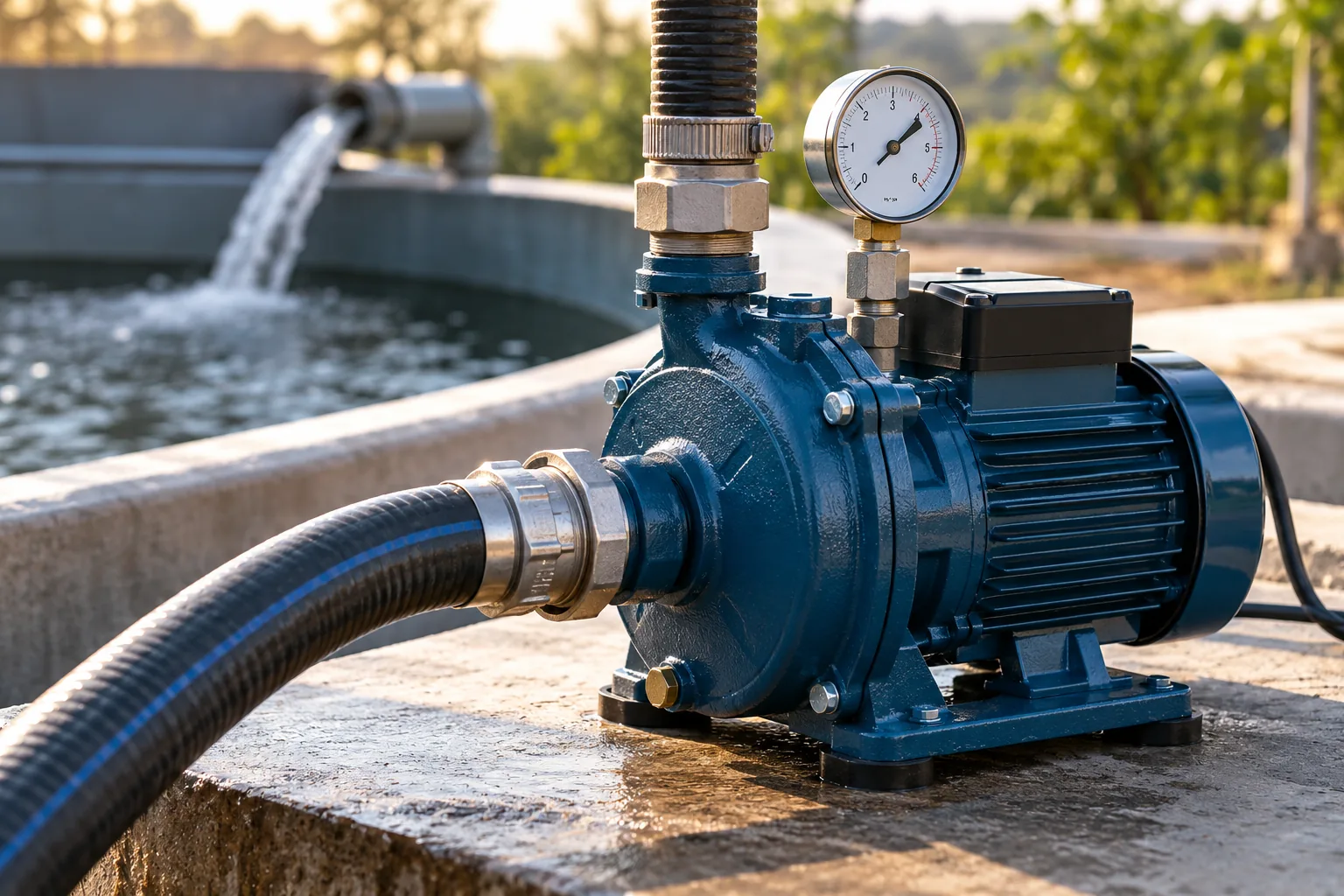 03
Pumps & Fluid Handling
A useful pump enquiry explains the fluid and the operating duty together.
Explore this page ↗Keep the information connected
Useful detail.
A better starting point.
Duty and required capacity
A familiar equipment name can describe products with different duty, capacity and installation requirements. Connect the search to the work the equipment must do.
Utilities, footprint and interfaces
Share the exact reference, drawing or specification available. Identify the details that are fixed and mark any unresolved question against the correct item.
Configuration and review documents
Add quantities, units and requested documentation. Keep product information, proposed differences and commercial conditions attached to the individual enquiry.
Before the enquiry proceeds
A clear basis for review.
What information identifies replacement equipment?
Include the existing equipment or product reference, the application and any current drawing. Photographs and readable labels may support identification, while technical suitability needs the relevant product and project information.
Can a different equipment configuration be reviewed?
Explain which requirements can change and which must remain fixed. Relevant differences and required documents need to be available for the buyer’s review.
Does an equipment enquiry confirm capacity or delivery?
These examples describe the kinds of requirements to discuss. Final suitability, documentation, availability, pricing, lead time and delivery arrangements must be confirmed for the individual enquiry.
Equipment: choose the right enquiry.
| Product group | Starting point |
|---|---|
| Workshop & Maintenance Equipment | Workshop equipment should be described around its task, expected duty and available utilities. |
| Material Handling Equipment | A trolley, pallet-handling product or lifting accessory needs a clear account of what will be moved and how. |
| Pumps & Fluid Handling | A useful pump enquiry explains the fluid and the operating duty together. |
For a multi-item requirement, give every line its own reference, specification, quantity and unit. See how sourcing works.
Start the conversation
Bring the application.
Include the details that define the item.
Bring the part reference, drawing or product list you have. Mark the details that still need to be clarified.